Plantain (Plantago major): Nature's Remedy for Common Ailments
In the world of herbal medicine, few plants are as revered and relied upon as plantain (Plantago major). Despite being commonly dismissed as a weed, this unassuming herbaceous plant holds a treasure trove of medicinal properties that have been utilized for centuries by cultures around the globe. Join us as we explore the fascinating characteristics, cultivation tips, and extensive medical uses of plantain.
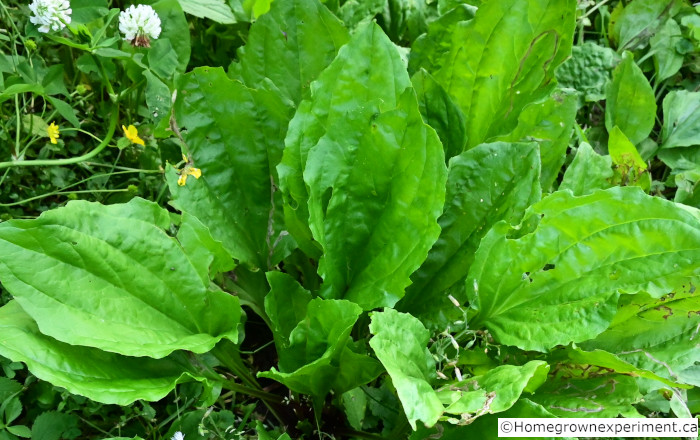
Plantain, also known as broadleaf plantain or common plantain, is a perennial herb native to Europe but naturalized worldwide. It is characterized by its low-growing rosette of broad, ribbed leaves and tall, slender spikes bearing tiny greenish-white flowers. Although often found in lawns, fields, and disturbed areas, plantain is much more than a mere weed—it is a valuable medicinal herb with a long history of use.
One of the most remarkable attributes of plantain is its resilience and adaptability. Here are some tips for cultivating and caring for this versatile herb:
• Sunlight: Plantain thrives in a wide range of light conditions, from full sun to partial shade. It can tolerate poor soil and is often found growing in disturbed areas such as lawns, fields, and roadsides.
• Soil: Plantain prefers well-draining soil with average fertility, but it can tolerate a variety of soil types, including clay, sand, and loam. It is relatively drought-tolerant once established but benefits from occasional watering during dry periods.
• Propagation: Plantain reproduces readily from seed, which can be sown directly in the garden in spring or fall. Alternatively, you can transplant seedlings or divisions from established plants.
• Maintenance: Plantain requires minimal maintenance once established. Remove any dead or yellowing leaves as needed, and divide overcrowded clumps every few years to maintain vigor.
1. Wound Healing: One of plantain's most renowned medicinal properties is its ability to promote wound healing. The leaves of plantain contain compounds such as allantoin and tannins, which have anti-inflammatory and antimicrobial effects. When applied topically as a poultice or infused oil, plantain can help soothe and heal cuts, scrapes, insect bites, and minor burns.
2. Anti-Inflammatory Action: Plantain possesses potent anti-inflammatory properties, making it useful for alleviating inflammation and irritation associated with skin conditions such as eczema, psoriasis, and dermatitis. Applying a plantain poultice or salve can help reduce redness, itching, and swelling, providing relief for irritated skin.
3. Respiratory Support: Plantain has a long history of use as a remedy for respiratory ailments such as coughs, colds, and bronchitis. Its expectorant properties help loosen mucus and phlegm, making it easier to expel from the lungs. Drinking plantain tea or inhaling steam from a plantain infusion can help alleviate congestion and promote respiratory health.
4. Digestive Aid: Plantain is valued for its gentle yet effective digestive properties. It can help soothe digestive discomfort, alleviate symptoms of indigestion, and promote healthy bowel function. Drinking plantain tea or consuming powdered plantain capsules may help calm an upset stomach and improve digestion.
5. Anti-Inflammatory Properties: Plantain is rich in bioactive compounds such as flavonoids and phenolic acids, which possess powerful antioxidant and anti-inflammatory properties. These compounds help protect cells from oxidative damage and reduce inflammation throughout the body, potentially lowering the risk of chronic diseases such as heart disease, diabetes, and cancer.
• Topical Application: Fresh plantain leaves can be crushed or chewed and applied directly to the skin as a poultice. Alternatively, you can create an infused oil or salve by steeping dried plantain leaves in a carrier oil such as olive or coconut oil.
• Internal Consumption: Plantain leaves can be brewed into a soothing tea by steeping fresh or dried leaves in hot water for 10-15 minutes. You can also find plantain supplements in the form of capsules, tinctures, or extracts for internal use.
While plantain is generally safe for most people when used topically or consumed in moderate amounts, some individuals may experience allergic reactions or sensitivities. As with any herbal remedy, it's essential to consult with a healthcare professional before using plantain, especially if you have underlying health conditions or are pregnant or breastfeeding.
Plantain is a humble yet potent medicinal herb that deserves a place of honor in any herbal medicine cabinet. Whether used topically to heal wounds and soothe skin irritations or consumed internally to support respiratory and digestive health, plantain offers a wealth of therapeutic benefits. Embrace the healing power of nature and explore the wonders of plantain as a natural remedy for common ailments.
*I am not a doctor nor am I giving any medical advice. Please consult your doctor for any actual medical advice*
Categories: Growing Tags: #Hardiness Zones, #Frost Dates
 November 16th, 2023
In the world of gardening and herbalism, few plants capture the imagination quite like bee balm (Monarda didyma).
 July 3rd, 2024
From sweet bell peppers in a rainbow of colors to spicy jalapeños and even the intimidating ghost peppers, the possibilities are endless.
 August 23rd, 2023
In the world of herbal medicine, few plants are as revered and relied upon as plantain (Plantago major).
 May 11th, 2024
This mesmerizing light display is a breathtaking testament to the power of our planet's atmosphere