The Wonders of Moose Calves: From Birth to Adulthood
In the vast wilderness of North America, few creatures captivate the imagination quite like the moose. Known for their imposing size and iconic antlers, these majestic animals are a symbol of the untamed beauty of the wild. But what about their youngest members? Lets take a closer look at young moose, from their early days as calves to their growth and development into adulthood.
Moose calves, also known as calves, are born in late spring or early summer, typically between May and June. The birth of a moose calf is a remarkable event, with the mother moose, or cow, typically giving birth to a single calf, although twins can occur occasionally. Calves are born with a reddish-brown coat adorned with white spots, providing camouflage in their forested habitat.
In the first few hours after birth, moose calves instinctively follow their mother, learning to walk and nurse shortly after being born. They rely on their mother's milk for nourishment, which is rich in nutrients essential for their growth and development.
As they grow, moose calves experience rapid physical development. Within a few weeks, their coats begin to darken, and they lose their white spots, blending in more seamlessly with their surroundings. Calves stay close to their mother for protection and guidance, learning essential survival skills such as foraging for food and avoiding predators.
During their first summer, moose calves primarily feed on their mother's milk, supplemented by nibbling on vegetation such as grasses, leaves, and aquatic plants. As they grow older, they gradually transition to a diet consisting primarily of plant matter, including twigs, buds, and aquatic vegetation.
Life as a young moose is fraught with challenges, from evading predators to navigating their ever-changing environment. Calves are vulnerable to predation by wolves, bears, and even other moose, especially during their first few months of life. They rely on their mother's protection and guidance to navigate the dangers of the wilderness.
In addition to predation, moose calves face other threats such as harsh weather conditions, habitat loss, and human disturbances. Climate change, in particular, poses a significant risk to their survival, affecting their food sources and habitat suitability.
Despite these challenges, moose calves are resilient creatures, adapted to thrive in the rugged landscapes they call home. With the help of their mother's guidance and the instinctual knowledge passed down through generations, they have a fighting chance at survival in the wild.
1. Moose Babies Can Outrun Humans by Three Days Old: A newborn moose calf can run faster than an adult human at just three days old, reaching speeds of up to 30 miles per hour and jumping up to ten feet.
2. A Baby Moose is Born Weighing Thirty Pounds: Moose calves are born weighing around 30 pounds, and twins usually weigh approximately 14 pounds each. They gain about a pound a day in the spring, sometimes up to 4 pounds daily later in the year.
3. Young Moose are Called Calves and Have Bad Eyesight: Moose calves are born with terrible eyesight but rely on their excellent sense of smell and sound. They are also colorblind, as their eyes lack cones responsible for color perception.
4. Moose Babies Cry Like Humans: Moose calves vocalize when they need help or support from their mothers, making grunting or wailing sounds similar to a baby's cry.
5. Moose Aren’t Born with Antlers: Moose calves do not grow antlers until they are around a year old. Until then, they have "buttons" on their heads where antlers later grow in.
6. Baby Moose Are Born in the Spring: All moose calves are born in the spring, typically in May or June, after an eight-month gestation period.
7. Moose are Solitary Animals Except with Babies: Moose calves travel with their mothers, known as cows, for protection and guidance. Moose are solitary animals, except when caring for their calves.
8. Newborn Moose are Over Two Feet Tall!: Moose calves are born standing over two feet tall, with most of their height in their legs, and their fur appears almost black.
Bull moose begin growing their antlers in the spring, shortly after they have shed off. They’ll grow throughout the spring, summer and into the fall. As previously mentioned, the fall is the main and really only time the antlers are utilized. The antlers have a velvet coating on them, however, in the fall the velvet will begin peeling off, this does not hurt them at all. They encourage the velvet shed by rubbing their antlers on trees, they instinctively feel the need to rid of them. The antlers will fully come off the moose anytime between November and March, then undergo regrowth again. The shedding of antlers do not hurt the moose whatsoever, honestly, it is probably a temporarily relief having the weight off their head. Lots of people spend time searching for shed from moose and dear both to use while hunting or even as décor.
As stewards of the natural world, it is essential to recognize the importance of protecting moose and their habitats. Conservation efforts aimed at preserving vital moose habitat, managing populations sustainably, and mitigating human impacts are crucial for ensuring the long-term survival of these iconic animals.
By raising awareness about the challenges facing moose and taking action to conserve their habitats, we can help ensure that future generations have the opportunity to marvel at the sight of these magnificent creatures roaming the wilds.
Young moose, from their early days as vulnerable calves to their growth and development into adulthood, are a testament to the resilience and adaptability of nature. By understanding the challenges they face and the critical role they play in their ecosystems, we can work together to ensure a future where moose thrive in the wild. Let us celebrate the remarkable journey of young moose and strive to protect their legacy for generations to come.
 November 16th, 2023
In the world of gardening and herbalism, few plants capture the imagination quite like bee balm (Monarda didyma).
 July 3rd, 2024
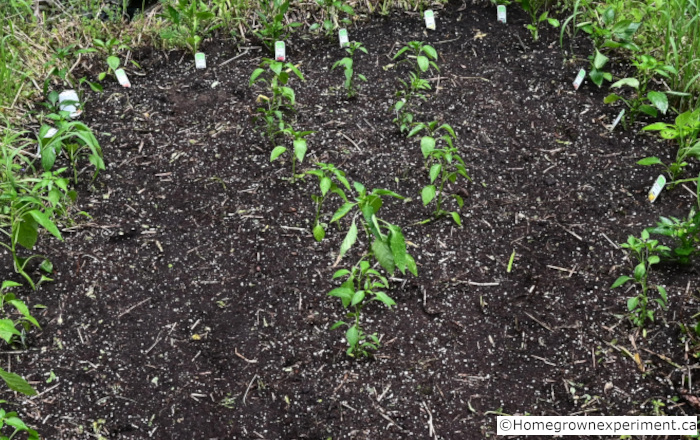
From sweet bell peppers in a rainbow of colors to spicy jalapeños and even the intimidating ghost peppers, the possibilities are endless.
 August 23rd, 2023
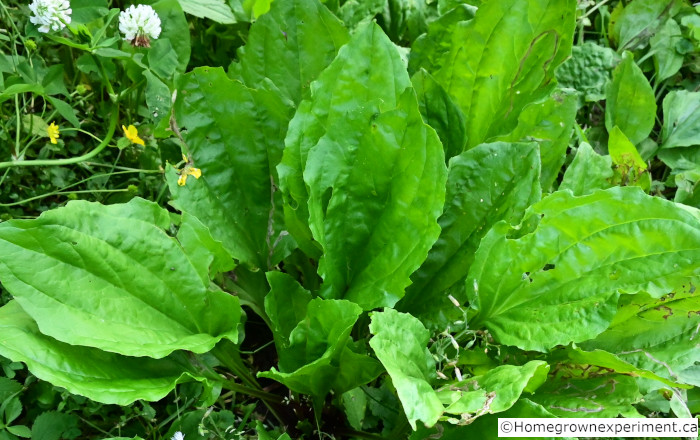
In the world of herbal medicine, few plants are as revered and relied upon as plantain (Plantago major).
 May 11th, 2024
This mesmerizing light display is a breathtaking testament to the power of our planet's atmosphere