Arnica (Arnica montana): Beautiful in the garden and a medicine cabinet essential
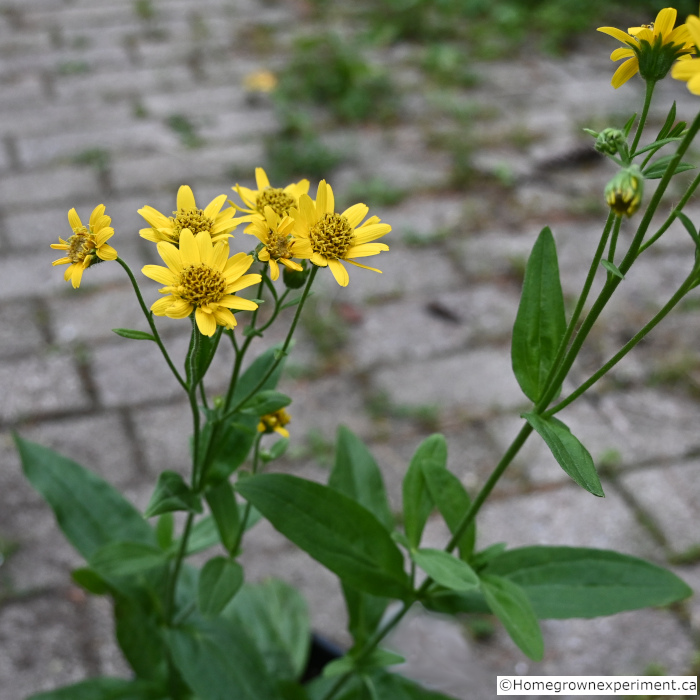
Arnica, or Arnica montana, is in the asteraceae family and native to Europe and Siberia but has made itself quite at home in parts of North America too. It thrives in cooler climates and mountainous regions.
Standing around 1-2 feet tall, Arnica’s slightly fuzzy, oval-shaped leaves add a nice texture to the garden. It's a perennial herb hardy to zones 4 through 9, so it comes back year after year, which is always a plus.
Here are some tips for cultivating and caring for arnica:
• Sunlight: Prefers full sun to partial shade.
• Soil: Well-drained, sandy or rocky soil.
• Watering: Moderate watering needs, but can tolerate short periods of drought.
• Pruning: Remove spent flowers to encourage new blooms.
• Propagation: Can be grown from seeds or by dividing the roots.
• Pests/Diseases: Generally resistant to pests, but watch for mildew in overly damp conditions.
It’s very low-maintenance and doesn't ask for much, just moderate watering and occasional removal of spent flowers to keep it blooming beautifully. It’s fairly resistant to pests, though I would keep an eye out for mildew if it gets too damp. You can propagate it either from seeds or by dividing the roots.
This plant has been a trusted friend in herbal medicine for centuries and is also a great companion plant in the garden although it's not typically highlighted in traditional companion planting guides.
Here’s a breakdown of how you can incorporate Arnica into your daily life:
1. Bruises and Swelling:
• Topical Ointments and Creams: Arnica is commonly found in over-the-counter ointments and creams. When applied to bruises, it helps reduce discoloration and swelling by increasing blood flow to the affected area.
• Gels and Lotions: These are easy to apply and can quickly soothe swollen areas or fresh bruises.
2. Muscle Pain and Soreness:
• Massage Oils: Arnica-infused oils are great for massaging sore muscles. It’s a popular choice among athletes and people who engage in strenuous physical activity.
• Bath Soaks: Adding a few drops of Arnica oil to your bath can provide relief from muscle aches and stiffness.
3. Joint Pain and Arthritis:
• Creams and Salves: For those dealing with arthritis, applying Arnica cream can help reduce pain and inflammation in the joints.
• Patches: Some products come in the form of patches that you can apply directly to painful areas for continuous relief.
4. Sprains and Strains:
• Topical Applications: Arnica is effective in reducing the pain and swelling of sprains and strains. Applying a cream or gel can help speed up recovery.
• Wraps and Compresses: Soaking a cloth in diluted Arnica tincture and applying it as a compress can be beneficial for injuries.
5. Insect Bites and Stings:
• Creams and Lotions: Arnica can help soothe the irritation and inflammation caused by insect bites and stings, reducing itching and swelling.
6. Post-Surgery and Cosmetic Procedures:
• Recovery Creams: Some doctors recommend Arnica-based creams to help reduce bruising and swelling after surgery or cosmetic procedures. Always consult with a healthcare provider before use in these cases.
• External Use Only: Traditional Arnica should not be ingested as it can be toxic. Use only externally on unbroken skin
• Patch Test: Before using Arnica products extensively, do a patch test to ensure you don’t have an allergic reaction.
• Follow Instructions: Always use as directed on the product label or by a healthcare provider.
• Consult a Healthcare Provider: Especially if you have sensitive skin, are pregnant, or have any underlying health conditions.
1. Pest Repellent:
• Arnica has natural pest-repelling properties due to its strong scent and chemical compounds. This can help protect neighboring plants from pests like aphids and certain beetles.
2. Attracting Beneficial Insects:
• The bright yellow flowers of Arnica attract pollinators such as bees and butterflies, which can benefit the overall health and productivity of your garden.
3. Soil Health:
• Like many other perennial herbs, Arnica can help improve soil structure and health. Its roots help aerate the soil, and as it dies back in the winter, it adds organic matter to the soil.
1. Lavender:
• Both Arnica and Lavender prefer well-drained, sandy soil and full sun. Lavender also benefits from the pest-repelling properties of Arnica.
2. Echinacea (Coneflower):
• Echinacea shares similar growing conditions with Arnica and can benefit from the increased pollinator activity.
3. Yarrow:
• Yarrow is another hardy, drought-tolerant plant that thrives in similar conditions as Arnica. It also has pest-repelling qualities.
4. Thyme:
• Thyme is a low-growing herb that can help suppress weeds around the base of Arnica plants while sharing its preference for well-drained soil and full sun.
Arnica is a beautiful reminder of how nature provides us with so many tools for healing and well-being.
*I am not a doctor nor am I giving any medical advice. Please consult your doctor for any actual medical advice*
Categories: Herbs Tags: #Bee Balm, #Medicinal
 November 16th, 2023
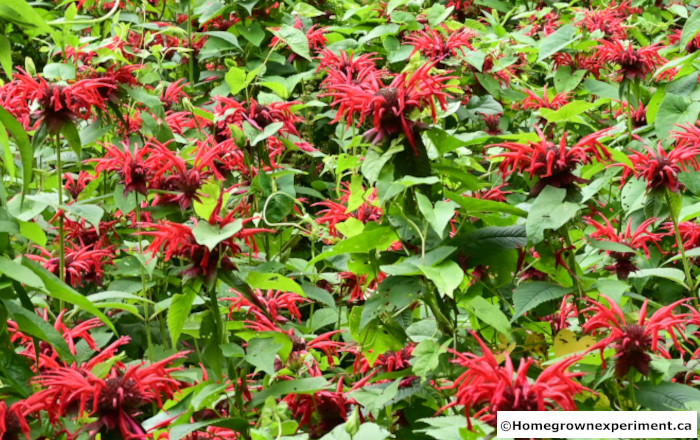
In the world of gardening and herbalism, few plants capture the imagination quite like bee balm (Monarda didyma).
 July 3rd, 2024
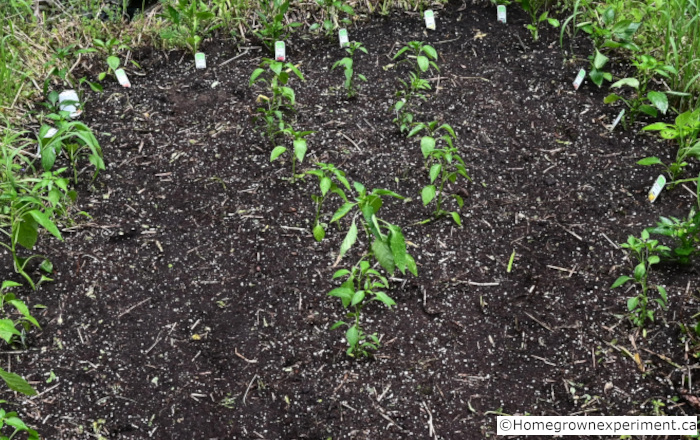
From sweet bell peppers in a rainbow of colors to spicy jalapeños and even the intimidating ghost peppers, the possibilities are endless.
 August 23rd, 2023
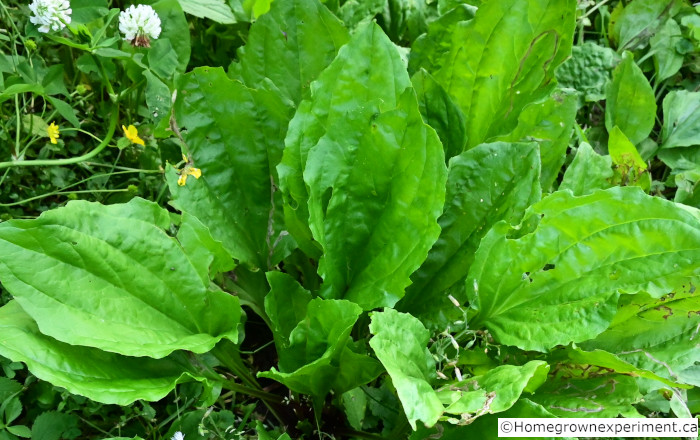
In the world of herbal medicine, few plants are as revered and relied upon as plantain (Plantago major).
 May 11th, 2024
This mesmerizing light display is a breathtaking testament to the power of our planet's atmosphere